
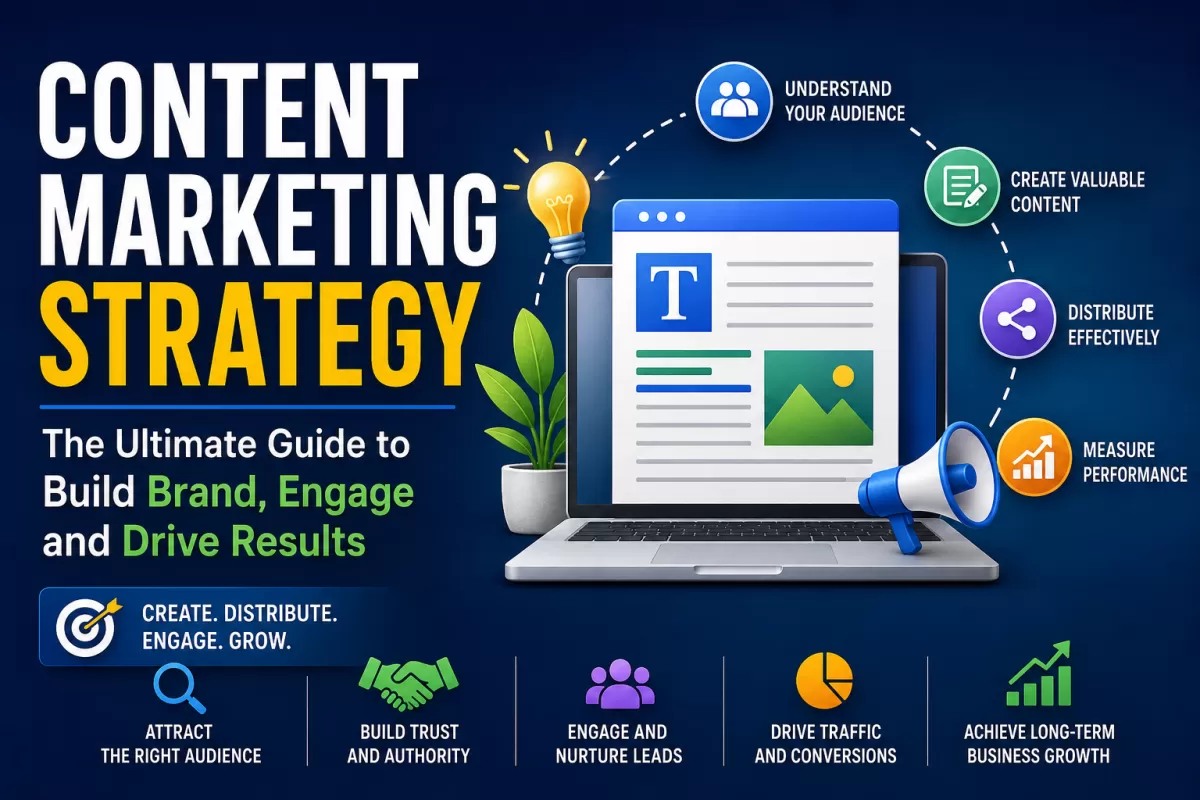
Why do some brands grow while others fade into the background? Success often comes down to how well they talk to their audience. Content marketing is a cornerstone of successful digital business. In a crowded market, brands that consistently deliver valuable, relevant, and engaging content are the ones that build trust, foster loyalty, and ultimately drive revenue. This guide will equip you with the knowledge and actionable steps to craft a winning strategy that resonates with your target audience and achieves your business objectives.
Gone are the days of interruptive advertising being the sole path to customer acquisition. Consumers are savvier and more discerning, actively seeking out solutions and information. Content marketing fills this need by providing helpful resources, answering questions, and demonstrating expertise, positioning your brand as a trusted authority. By understanding your audience’s pain points and aspirations, you can create content that not only grabs attention but also guides them seamlessly through their buyer’s journey.
Understanding the Core of Content Marketing
Content marketing is not about direct sales pitches. It is a strategic approach focused on creating and distributing valuable, relevant, and consistent content to attract and retain a clearly defined audience. Unlike traditional advertising that pushes a message, content marketing pulls people in by offering genuine value first.
What is Content Marketing?
The goal of this approach is to drive profitable customer action. You do this by establishing your brand as a helpful, expert resource rather than just a seller. When you focus on solving problems for your customers, they naturally come to trust you. This trust is the foundation for building brand awareness, generating leads, and eventually, increasing sales.
The Evolution of Content Marketing
Content marketing has roots going back much further than the internet. A famous early example is John Deere’s magazine, The Furrow, launched in 1895, which provided helpful farming advice rather than just product ads. Today, the digital shift has changed everything. We now have instant reach, global audiences, and data that helps us personalize content. While the tools have changed, the core idea—giving value to get trust—remains the same.
Developing a Strategic Content Marketing Plan
You cannot just produce random articles and hope for the best. Success requires a plan. Building a solid content marketing strategy ensures your efforts align with your business goals and reach the right people.
Defining Your Target Audience (Buyer Personas)
If you try to talk to everyone, you end up talking to no one. A buyer persona is a fictional representation of your ideal customer based on real data. You need to understand their demographics, psychographics, pain points, and how they behave online. You can gather this data through tools like Google Analytics, social media insights, and direct customer surveys.
Setting Clear Content Marketing Goals
Use the SMART framework for your goals: Specific, Measurable, Achievable, Relevant, and Time-bound. For example, instead of saying “we want more traffic,” say “we want to increase organic blog traffic by 20% over the next six months.” Your content goals must directly support your larger business goals, such as generating more leads or boosting sales. HubSpot data consistently shows that companies that prioritize content marketing see a higher return on investment compared to those that do not.
Competitor Content Analysis
You need to know what your competitors are doing to stand out. Identify your top three to five competitors and look at their blogs, social media, and email newsletters. What topics are they covering? What format do they use most? Use tools like SEMrush or Ahrefs to analyze their top-performing content and find gaps—topics they are ignoring that your audience is searching for.
Crafting Compelling Content
The quality of your content is your biggest differentiator in 2026. With AI-generated content flooding the internet, human-centric, trustworthy, and expert-driven content is more valuable than ever.
Understanding Content Types and Formats
There are different types of content that serve different purposes. Blog posts are excellent for SEO and driving traffic. Videos, especially short-form, work well for engagement on social media. Infographics help simplify complex data, while podcasts allow for deeper, more personal connections. Whitepapers and ebooks are perfect for lead generation because they offer deep value in exchange for contact information.
Content Ideation and Topic Research
Never guess what your audience wants. Use keyword research tools to see what terms they are actively searching for. Look at customer questions, industry forum discussions, and popular social media topics to spark new ideas. Google Keyword Planner or Ubersuggest are great tools to see the search volume and intent behind those keywords.
Content Creation Best Practices
Write for a human, not a search engine. Your tone should be consistent with your brand, and you must address the actual needs of your reader. Weave in storytelling to make your points more memorable. For readability, use short paragraphs, bullet points, and clear headings. Always include images, charts, or videos to break up the text. As content expert Ann Handley says, “Quality content means giving your audience something they actually care about, not just what you want to sell them.”
Distributing and Promoting Your Content
Great content is useless if nobody sees it. You need a mix of distribution channels to get your message in front of the right people.
Content Distribution Channels
Own your audience by building an email list and maintaining your blog. Use earned channels like organic social media shares and backlinks from other reputable sites. Finally, use paid channels like social media ads or search engine marketing to boost your best content when you need faster results.
Search Engine Optimization (SEO) for Content
Good SEO makes your content discoverable. For on-page SEO, make sure your target keyword is in your title, meta description, and headers. Use internal links to connect related articles on your site. Off-page SEO is about earning backlinks from other trusted sites, which acts like a vote of confidence for your content. Keep your site fast, mobile-friendly, and technically sound. Remember to go back and update older content regularly to keep it relevant and maintain its rankings.
Social Media Promotion Strategies
Do not just blast the same message everywhere. Tailor your content for each platform. LinkedIn is great for professional, long-form insights, while Instagram is perfect for visual storytelling. Always engage with your audience by responding to comments and fostering discussion.
Email Marketing for Content Distribution
Email is one of your most valuable channels because you own it. Use lead magnets, like a free guide or checklist, to encourage people to subscribe. Once they are on your list, send them valuable, helpful content consistently. Use automated sequences to nurture them, delivering the right message at the right time in their journey.
Measuring and Analyzing Content Marketing Success
You cannot improve what you do not measure. Data should drive your future decisions.
Key Content Marketing Metrics
Focus on metrics that matter. For website traffic, look at unique visitors, bounce rate, and time on page. For lead generation, track conversion rates and the quality of those leads. For SEO, monitor your keyword rankings and organic traffic growth. Data shows that marketers who document their strategy and measure performance are significantly more likely to achieve their goals.
Content Performance Analysis Tools
Google Analytics is essential for understanding user behavior on your site. Use platform-specific analytics tools for Facebook, LinkedIn, and Instagram to see how your social posts are performing. Use tools like Google Search Console to track your SEO health and keyword performance.
Iterating and Optimizing Your Strategy
Review your performance data monthly. If a specific topic is driving high engagement, create more content around it. If a certain format is falling flat, stop wasting resources on it. Test different headlines, calls to action, or even content lengths to see what your audience prefers. Set up a simple dashboard to keep these key performance indicators top of mind.
Conclusion: Building a Sustainable Content Marketing Engine
Content marketing is a marathon, not a sprint. It takes time to build trust and authority, but the results are lasting. By consistently focusing on your audience’s needs, creating high-quality, expert-driven content, and using data to refine your strategy, you will build an engine that drives growth for your business. Commit to the process, stay adaptable as digital behaviors change, and you will see the long-term value of your efforts. Consistency is the secret ingredient to any successful marketing program.